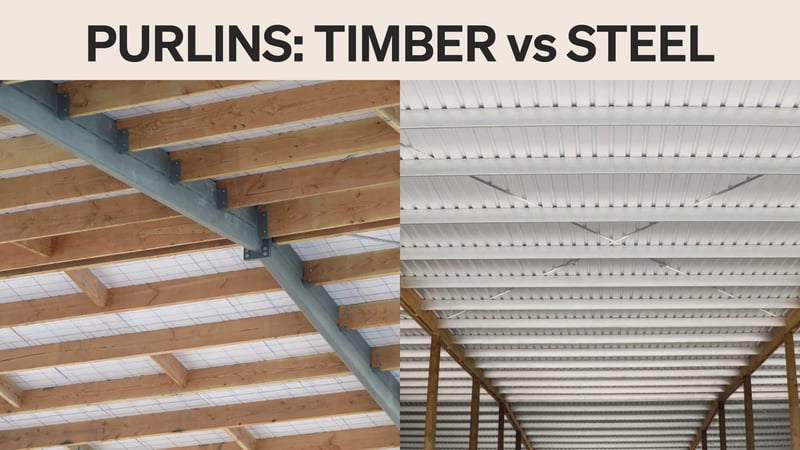
If you are looking for a robust and long-lasting shed, you need to choose the right structural design and materials. One option for shed building in NZ is cold-rolled steel, also known as rolled-formed steel.
While we don’t use cold-rolled steel here at Alpine, we believe it is beneficial to know all of your options before investing in a new steel shed design. That’s why, in this article, we explain what cold-rolled steel is, its pros and cons, and the best applications for this type of steel frame shed.
We also share how structural steel is a more suitable alternative, particularly for larger structures and wider spans.
What is cold-rolled steel?
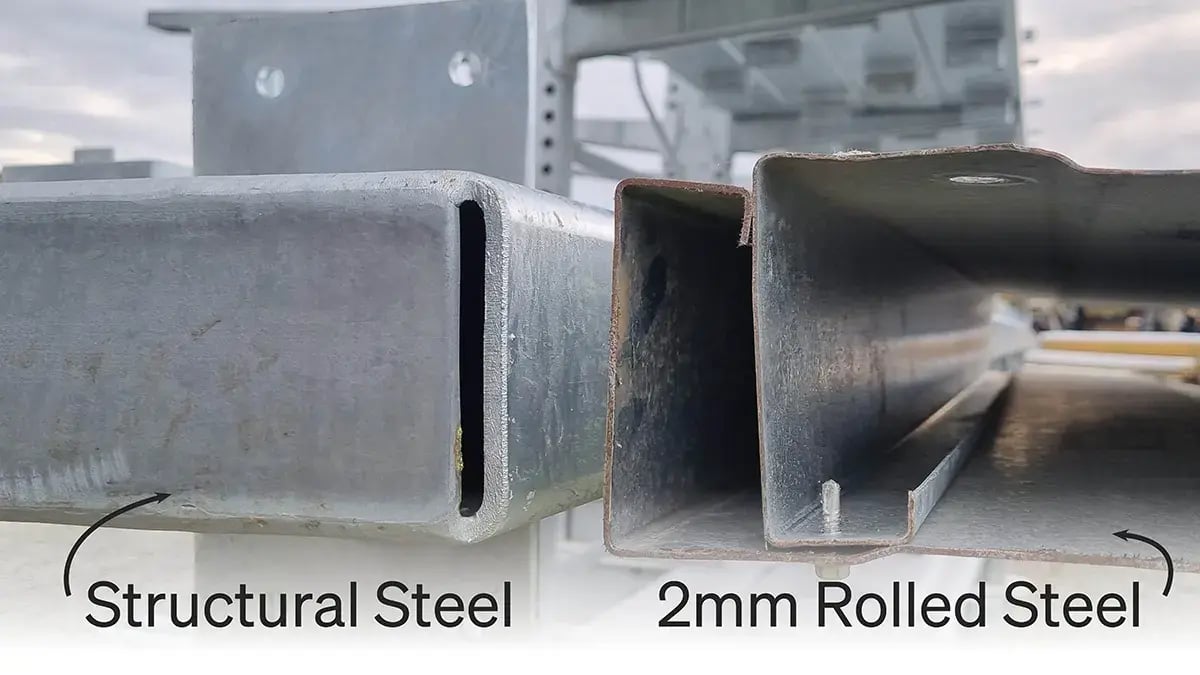
Cold-rolled steel consists of sheet metal that is pushed through rollers and folded into an engineered shape. While generally only 1 to 2mm thick, the rolled profile of cold-rolled steel increases the object’s strength.
To help you decide if a cold-rolled steel frame shed is suitable for your needs, we’ve outlined the key pros and cons of cold-rolled steel below.
Pros of cold-rolled steel sheds
- Lightweight design, resulting in lower freight costs.
- Suitable fit for Importance Level Two light commercial builds and habitable sheds.
Cons of cold-rolled steel sheds
-
Higher risk of structural damage caused by a knock from machinery or forklift.
-
Rust quickly causes structural damage.
-
Most roll form steel designs are not birdproof.
-
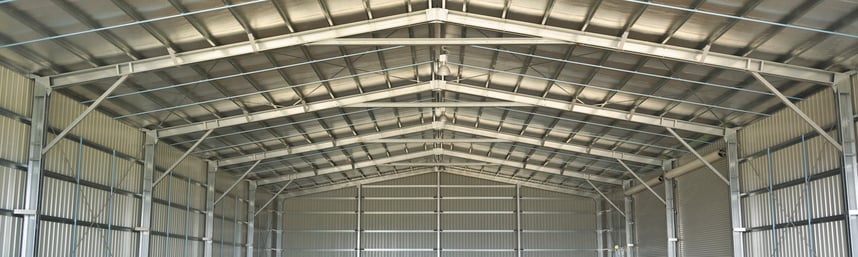
Knee and apex braces may protrude and lower the usable internal space.
When not to choose a cold-rolled steel shed
Due to structural limitations, cold-rolled steel may not be able to withstand sea spray or extreme wind and snow that New Zealand experiences in some locations. While cold rolled steel sheds may be suitable for temporary solutions, a more durable option is hot dip galvanised structural steel for a long-lasting shed solution.
Another reason not to choose cold-rolled steel is when you need maximum storage capacity. With knee and apex braces protruding into the internal space, you may be limited in the equipment you can store inside, particularly when storing machinery or larger vehicles. What’s more, birds perched on these braces can cause significant damage to assets below.
Fortunately, hot-dipped galvanised structural steel sheds and timber pole sheds offer a solution.
What is structural steel?
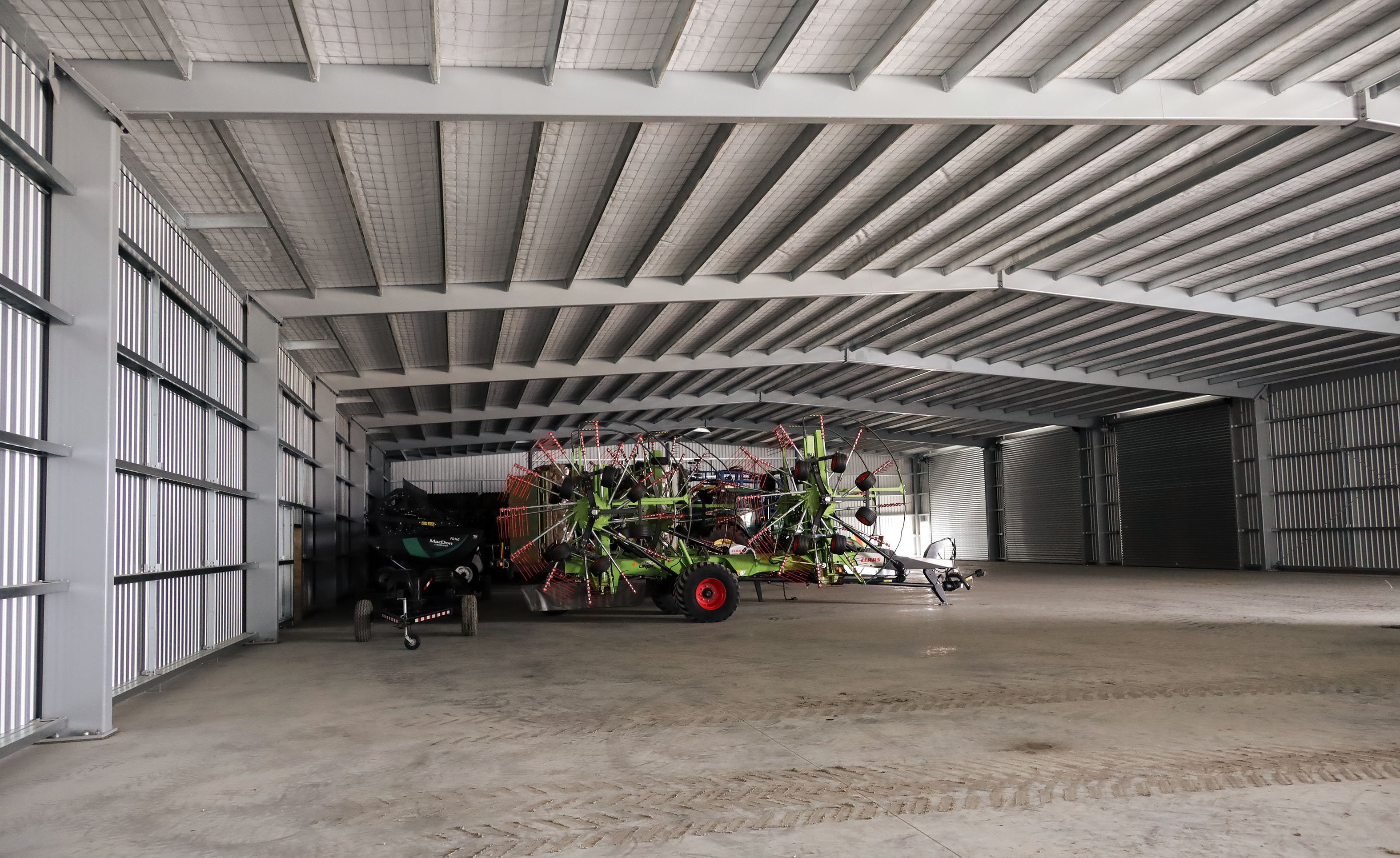
Structural steel is widely renowned for its durability and strength. It is often 6-12mm thick and sometimes even thicker, compared to roll-form steel, which is around 2-3mm thick.
Structural steel buildings are made from 5-13mm thick steel, which is much thicker steel than a typical roll-formed building (1-2mm thick steel), meaning they can cost more for the initial investment. However, this ensures a robust structure that can withstand the knocks and often gets a longer consented lifespan - 50 years as opposed to some rolled steel buildings of 25 years.
Pros of structural steel sheds
-
Quick to install with bolted connections.
-
Suited for large building spans.
-
Can support gantry cranes where required.
-
Low lifetime cost of ownership and requires little maintenance.
-
The durability of this design means that it will last for multiple generations.
Cons of structural steel sheds
-
Higher upfront cost compared to cold-rolled steel options.
-
Heavier materials can increase transport and installation requirements on some sites.
-
May require more substantial foundations due to overall weight.
-
Over-engineered for smaller or short-term applications where a lighter solution may suffice.
What is hot-dipped galvanised steel?
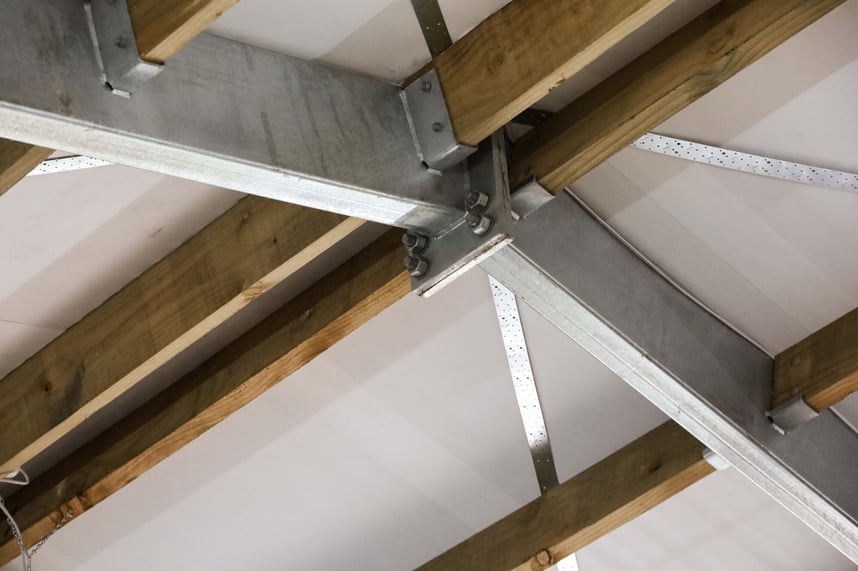
Hot-dipped galvanised steel is structural steel that has a thick, durable coating evenly applied to the surface. This coating provides exceptional protection against corrosion, making it a durable and cost-effective solution for many applications, including coastal environments.
Hot-dipped galvanised steel is also extremely tough and abrasion-resistant, minimising damage incurred during handling, transportation, or installation. Once the structural steel shed is built, it’s also incredibly low maintenance, reducing costly and time-consuming repairs.
To learn more about hot-dip galvanised steel, click here.
Alpine Buildings NZ
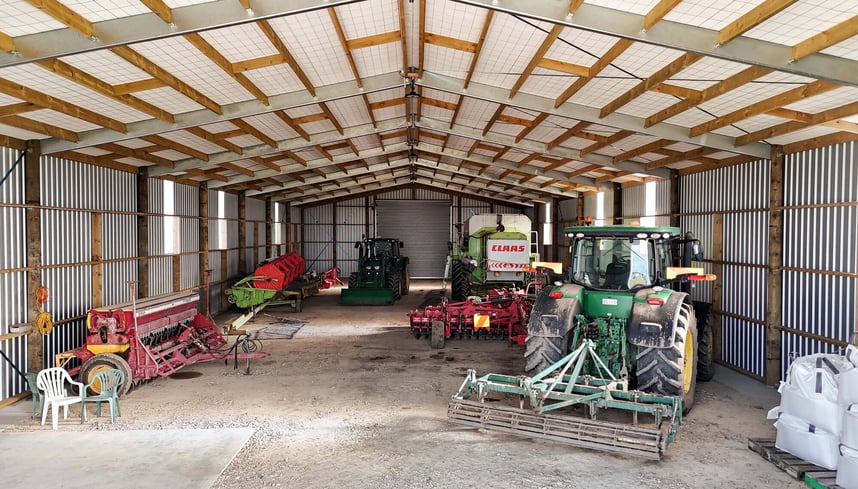 At Alpine Buildings, we supply a wide range of timber pole sheds using structural steel rafters in the roof. Our steel is hot-dipped galvanised and can achieve wide clearspans, minimising the number of poles inside the shed. Alpine’s structural steel rafters are a birdproof design, meaning no birds can roost in the roof space – keeping your expensive assets protected from corrosive bird droppings and provides a hygienic working environment.
Benefits of timber framing and structural steel rafters used in the Alpine design:
-
Birdproof and clearspan rafters provide better protection for your valuable assets.
-
With bolted connections and pre-welded purlin cleats, the system is fast and simple to build, compared to other common designs on the market.
-
Pre-dried and graded timber results in a tidier finish.
-
Alpine get your Building consent on your behalf, saving you time.
-
Timber framing makes internal wiring and fitout very easy.
-
Alpine sheds come with a 50-year building consent which is the longest consent length available, giving you peace of mind your shed will last for generations to come.
If you need a reliable pole shed that’s durable and practical, we’re here to help. Click below to find out what sets our sheds and services apart.
FAQs
- What is the difference between cold-rolled steel and structural steel?
Cold-rolled steel sheds use thinner, lightweight steel that is 1-2mm thick, which is prone to rust and damage if knocked by machinery. On the other hand, structural steel is thicker, heavier steel that is 5-10mm thick, offering greater strength and durability, resulting in a shed that lasts at least twice as long as a cold-rolled steel shed. - Is hot-dipped galvanised structural steel for sheds worth it?
Yes, hot-dipped galvanised structural steel provides excellent corrosion resistance, making it ideal for New Zealand conditions - especially in coastal or high-moisture environments. - Are timber pole sheds a good alternative to steel sheds?
Timber pole sheds can be a cost-effective and practical alternative, offering flexibility, ease of construction and good performance in a range of applications. The right shed design depends on your specific requirements and use.
.png?width=800&name=Concrete%20floors%20blog%20(1).png)