%20(1).png?width=1200&name=cladding%20explained%20(2)%20(1).png)
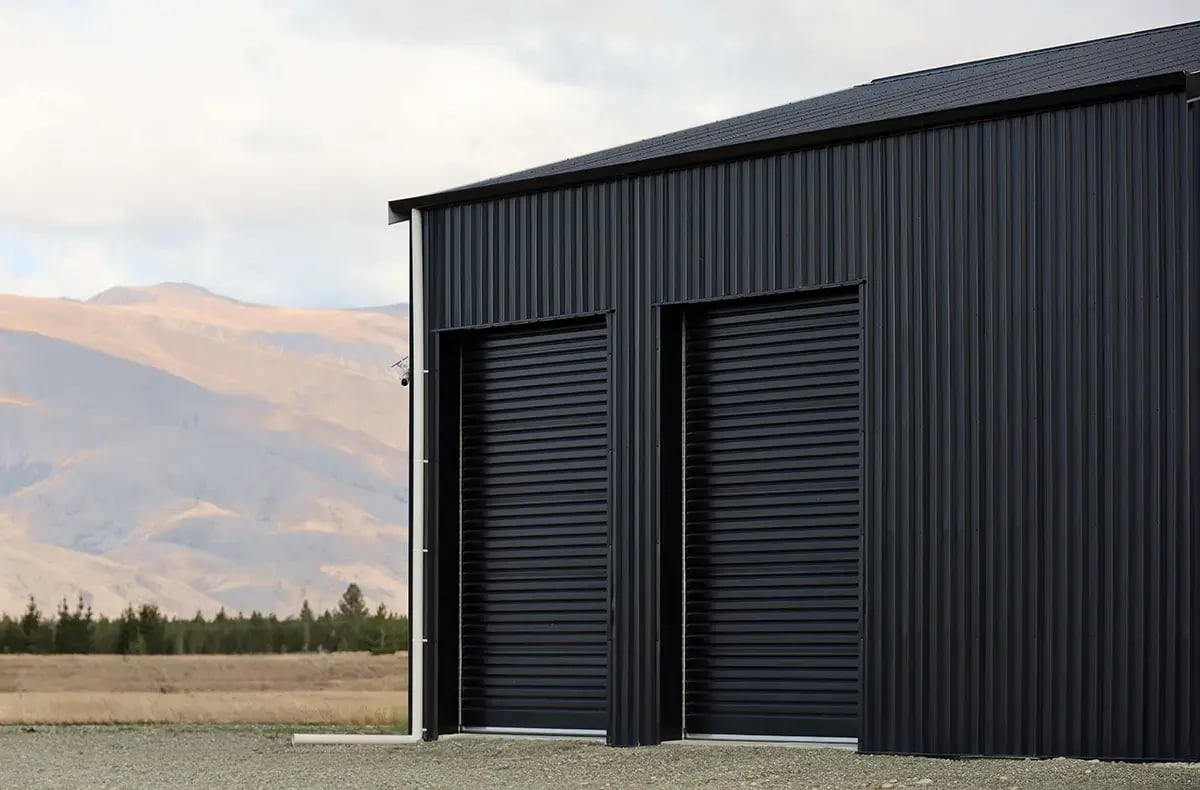
When it comes to shed cladding, there are plenty of options available in New Zealand, but the right choice depends on more than just appearance. The size, location, and use of your shed will all influence which cladding material will deliver the best results.
In this article, we break down the most popular cladding options in NZ, from timber cladding to iron and coloured steel, to help you choose a finish that looks great, performs well, and lasts for decades.
What is Timber Cladding?
Timber cladding remains a popular option for lifestyle sheds and workshops built near high-end homes. Common styles include board and batten, weatherboard, and linear board - all offering a natural, timeless look that complements rural and residential settings.
However, while timber cladding can elevate the appearance of your shed, there are a few important factors to consider.
Cost of Framing
A standard timber-framed shed with iron cladding is simple and cost-effective. Typically, 200x50 mm timber girts sit horizontally between poles, spaced about 1.2 m apart, and the cladding is directly tec-screwed to the girts.
With timber cladding, the framing requirements change. Panels must be fixed every 600 mm both horizontally and vertically, requiring significantly more framing, fixings, and labour. This extra material and time can substantially increase the cost of your kitset shed.
Cost of Labour
More framing means more installation time, and timber cladding also requires a wall wrap or building paper layer to prevent moisture damage. This adds both cost and complexity to the build.
Ongoing Maintenance
Unlike iron cladding, which is virtually maintenance-free, timber cladding needs regular care. Protective stains or paints must be applied immediately and refreshed annually to prevent deterioration. For large sheds, this ongoing maintenance can be both time-consuming and expensive.
At Alpine Buildings, we use timber framing combined with iron cladding in either corrugated or 5-rib profiles. This design keeps your shed cost-effective, durable, and visually appealing without the upkeep burden.
What is Zinc Cladding?
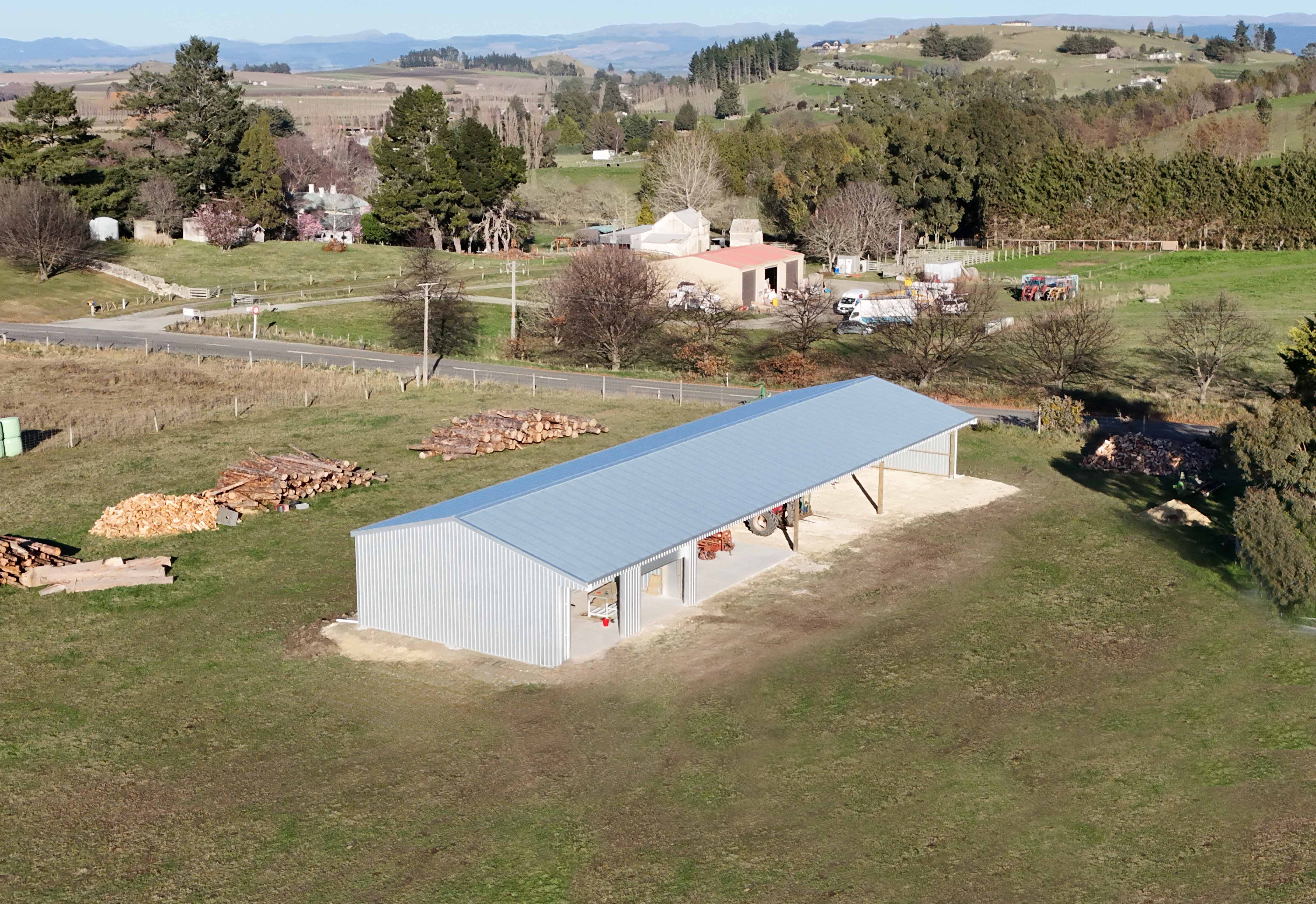
Zinc cladding is steel that’s coated in a zinc-aluminium alloy, offering enhanced protection from rust and corrosion. The combination of aluminium’s barrier protection and zinc’s sacrificial properties gives it an excellent lifespan, even in New Zealand’s tough environmental conditions.
In most conditions, zinc-coated steel outperforms traditional galvanised steel. It’s an ideal choice for sheds that need long-term durability with minimal maintenance.
To learn more about zinc cladding for your shed project, talk to our team.
What is Coloured Steel Cladding?
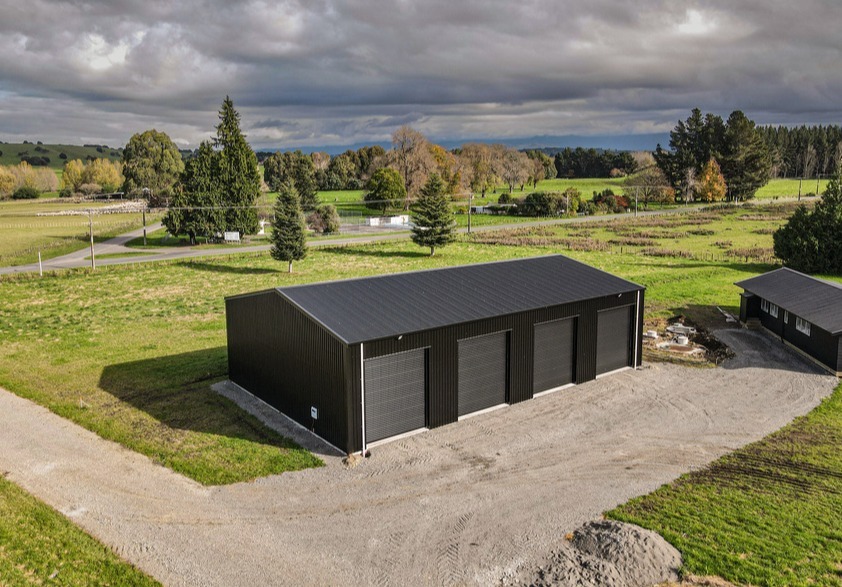 Coloured steel cladding offers the same structural performance as zinc but adds an extra protective and aesthetic layer. It’s available in a wide range of colours to complement any property style, from traditional rural tones to contemporary designs.
While you can paint standard zinc, it won’t have the same long-lasting result as factory-finished coloured steel. The colour coating includes a UV-resistant layer that protects against fading, chalking, and peeling - keeping your shed looking great for decades.
If you’re planning a custom shed cladding project in NZ, coloured steel is a great choice for balancing style, durability, and low maintenance.
Which Shed Cladding Option is Best for You?
Every shed project is unique. When choosing the best cladding for sheds, consider:
- Location: Coastal or high-humidity areas benefit from zinc or coloured steel for superior corrosion resistance.
- Purpose: Workshops and rural sheds may prioritise durability and low maintenance, while lifestyle or residential sheds might emphasise appearance.
- Budget: Timber cladding looks good but comes with higher upfront and ongoing maintenance costs, while iron and coloured steel cladding provide long-term value.
At Alpine Buildings, we combine timber framing with iron cladding to create sheds that are strong, low-maintenance, and visually appealing.
Build Smarter with Alpine
Choosing the right shed cladding doesn’t have to be complicated.
Our team can help you explore cladding options NZ property owners trust, from timber cladding to corrugated iron cladding, to find the best fit for your site, style, and budget.
Contact Alpine Buildings today to discuss your project or download our full product brochure to see our cladding materials and design options in more detail.

.png?width=800&name=Concrete%20floors%20blog%20(1).png)